
The fascinating journey of gambling tracing its historical evolution
The Origins of Gambling
The history of gambling can be traced back thousands of years, with evidence suggesting that it originated in ancient civilizations. Archaeological findings reveal that games of chance using rudimentary dice were played in Mesopotamia around 3000 BC. The Chinese also contributed to the early evolution of gambling, with the creation of games that involved betting on outcomes. These early forms of gambling were often tied to religious or cultural practices, highlighting the significance of chance in society. Today, players can explore exciting options at Onluck Casino, where the thrill of betting continues to thrive.
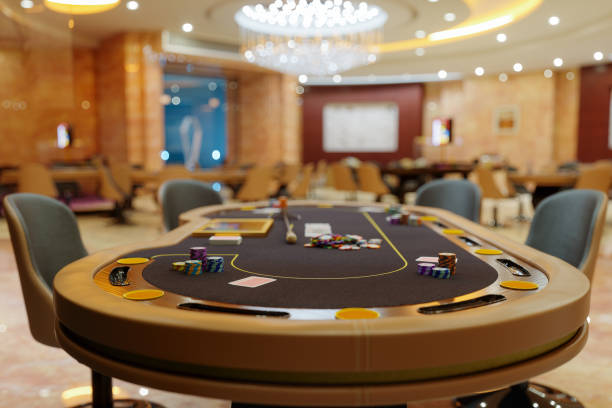
As civilizations expanded, so did gambling. The Romans introduced more structured forms of betting, engaging in games such as dice and betting on gladiatorial contests. This cultural adoption set the foundation for gambling to evolve into a popular pastime across various societies, indicating a shared fascination with luck and fortune.
The Middle Ages and the Rise of Casinos
During the Middle Ages, gambling faced periods of restriction, particularly in Europe. However, despite these challenges, it continued to thrive in secret. The invention of playing cards in the late 14th century marked a pivotal moment in gambling history, introducing new games that captured the public’s imagination. These card games began to lay the groundwork for modern gambling activities.
By the 17th century, the first official gambling houses, or casinos, emerged in Italy. These establishments provided a regulated environment where players could engage in games of chance, thereby attracting the upper classes. The popularity of casinos spread throughout Europe, evolving in design and game offerings, ultimately leading to the iconic establishments we recognize today.
The Advent of Modern Gambling
The 19th century heralded a new era of gambling, characterized by significant developments in game design and regulation. The introduction of the roulette wheel and the standardization of poker rules played a crucial role in shaping modern gambling. These innovations led to the establishment of betting houses and racetracks, creating opportunities for a broader audience to participate in gambling activities.
This period also saw the birth of legal frameworks governing gambling, with jurisdictions recognizing the need for regulation to protect players. The emergence of state-sponsored lotteries became a popular means of raising public funds, further solidifying gambling’s position in society.
The Digital Revolution and Online Gambling
The late 20th century witnessed a technological revolution that transformed the gambling landscape. The advent of the internet opened up new possibilities for gambling, leading to the creation of online casinos. Players could now enjoy their favorite games from the comfort of their homes, a significant departure from traditional gambling establishments.
Online gambling platforms diversified the gaming experience, offering a vast array of options, from slots to live dealer games. This shift not only expanded access but also intensified competition among operators, encouraging innovation and improved player engagement. The rise of mobile technology further propelled the growth of online gambling, ensuring it remains a significant player in the entertainment industry.

Conclusion: The Future of Gambling
As the journey of gambling continues, it reflects societal changes, technological advancements, and cultural shifts. Today’s players benefit from a plethora of choices, along with the convenience and safety that modern gaming platforms provide. Online casinos, like Onluck Casino Australia, have adapted to meet the demands of contemporary players, offering extensive game selections, generous bonuses, and secure payment options.
The future of gambling looks promising, with ongoing advancements in technology and changing regulations poised to shape the industry further. As gambling continues to evolve, it remains a fascinating journey, deeply intertwined with human culture and societal development.